
When you’re pregnant, it’s natural to want to do everything right, protecting and nourishing your baby while looking after yourself as your body changes.
It can also feel like everyone has an opinion, and the advice never stops. So we’ve kept it simple: five practical, well-founded habits that make a real difference.
011. Eat a healthy, balanced diet
You probably already know to aim for at least five portions of fruit and vegetables a day, and to drink plenty of fluids. Five nutrients matter more than most in pregnancy: folate, calcium, iron, zinc and fibre.
- Folate, lentils, beans and legumes, whole grains, wheat germ, asparagus, oranges, fortified cereals, green leafy vegetables, poultry and fish.
- Calcium, dairy, canned fish and soy products.
- Zinc, meat, seafood, nuts, whole grains and legumes.
- Fibre, fruits, vegetables and whole grains, helpful for the constipation that is common in pregnancy.
- Omega-3, oily fish, important for your baby’s brain development.
Avoid soft or unpasteurised cheeses, such as brie and feta, which can carry bacteria linked to fever, miscarriage or other pregnancy complications.
022. Take folic acid and vitamin supplements
Folic acid supports your baby’s neural tube development and the production of new red blood cells, so it’s recommended before conception and through the first 12 weeks of pregnancy. You’ll also need a daily vitamin D supplement.
lower chance of neural tube defects with folic acid
View as table
| Statistic | Value |
|---|---|
| lower chance of neural tube defects with folic acid | 70% |
Source: NHS: folic acid in pregnancy.
A pregnancy multivitamin can help fill any gaps, particularly if your diet is not always balanced. Talk to your doctor, midwife or pharmacist about what’s right for you.
033. Exercise regularly
Staying active helps with weight, circulation, mood and sleep, and can protect against complications such as high blood pressure and gestational diabetes. It also helps you cope with the changes to your posture and joints that come with pregnancy.
Aim for around 30 minutes most days, a walk, a swim, or a class designed for pregnancy such as yoga or pilates all count.
044. Practise pelvic floor exercises
Your pelvic floor muscles support your bladder, bowel and uterus. Strengthening them can make delivery easier and help prevent incontinence afterwards, and you can do them anywhere, discreetly.
Imagine stopping the flow of urine: those are the muscles to work. Squeeze, hold for three seconds, then relax slowly. Repeat ten times, a few times a day.
055. Reduce your exposure to toxins
A few things are worth cutting out or reducing during pregnancy:
- Tobacco, cigarettes and secondhand smoke
- Alcohol and illicit drugs
- Solvents, such as paint thinners and nail polish remover
- Caffeine, or at least cut back on coffee and tea
- Cat litter and cat mess in the garden, due to the risk of toxoplasmosis
- Harsh or toxic chemical cleaners, and saunas or hot tubs, because of the risk of overheating
- Juniper, rosemary and clary sage essential oils, which can cause uterine contractions
06Attend your prenatal appointments
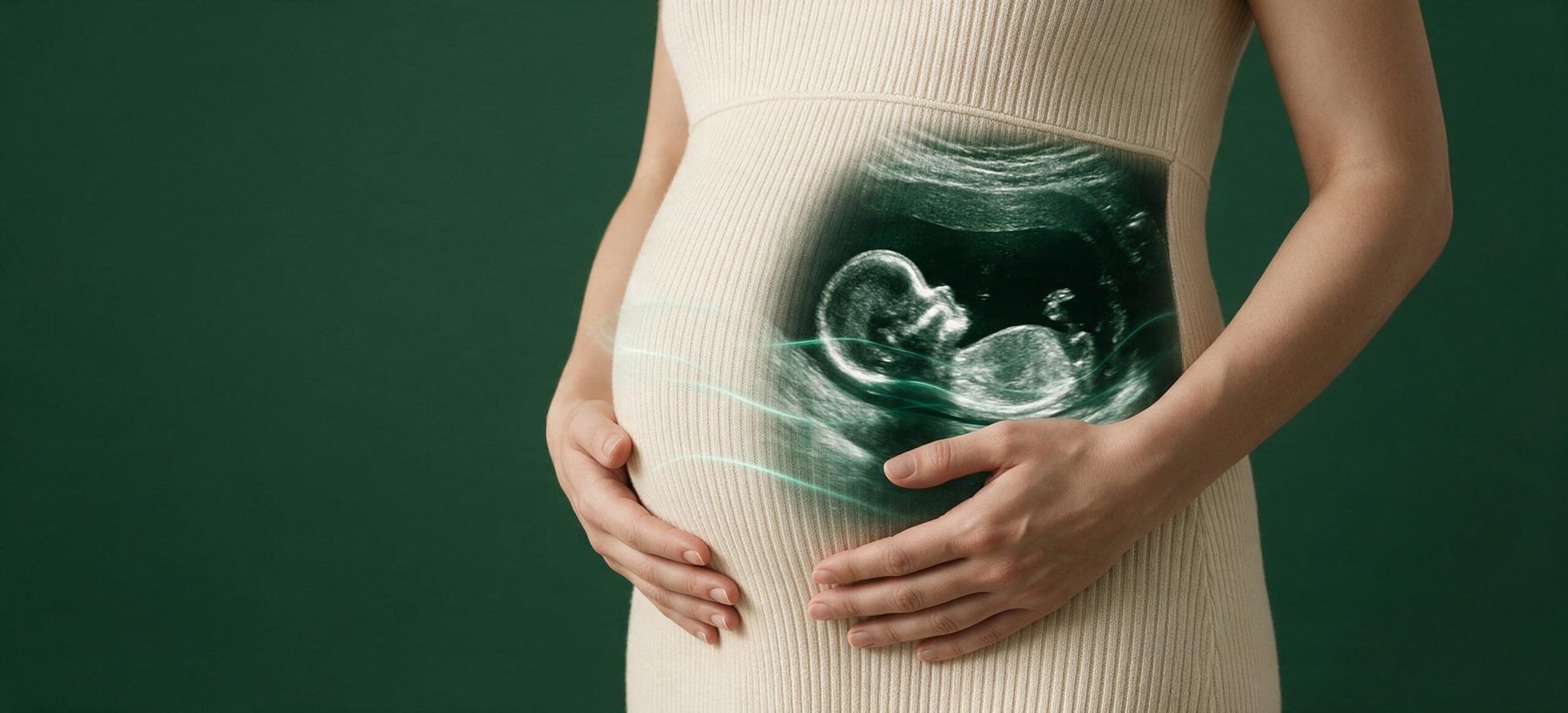
None of this replaces regular antenatal care. Prenatal appointments let your medical team check on both your health and your baby’s, and you may also have ultrasound scans at different stages to check on development.
If you are in the earliest weeks, an early pregnancy scan is a good place to start. It confirms your pregnancy’s location and gives you an early sense of your due date, before the fuller run of scans that follows through pregnancy.